

















































Sony
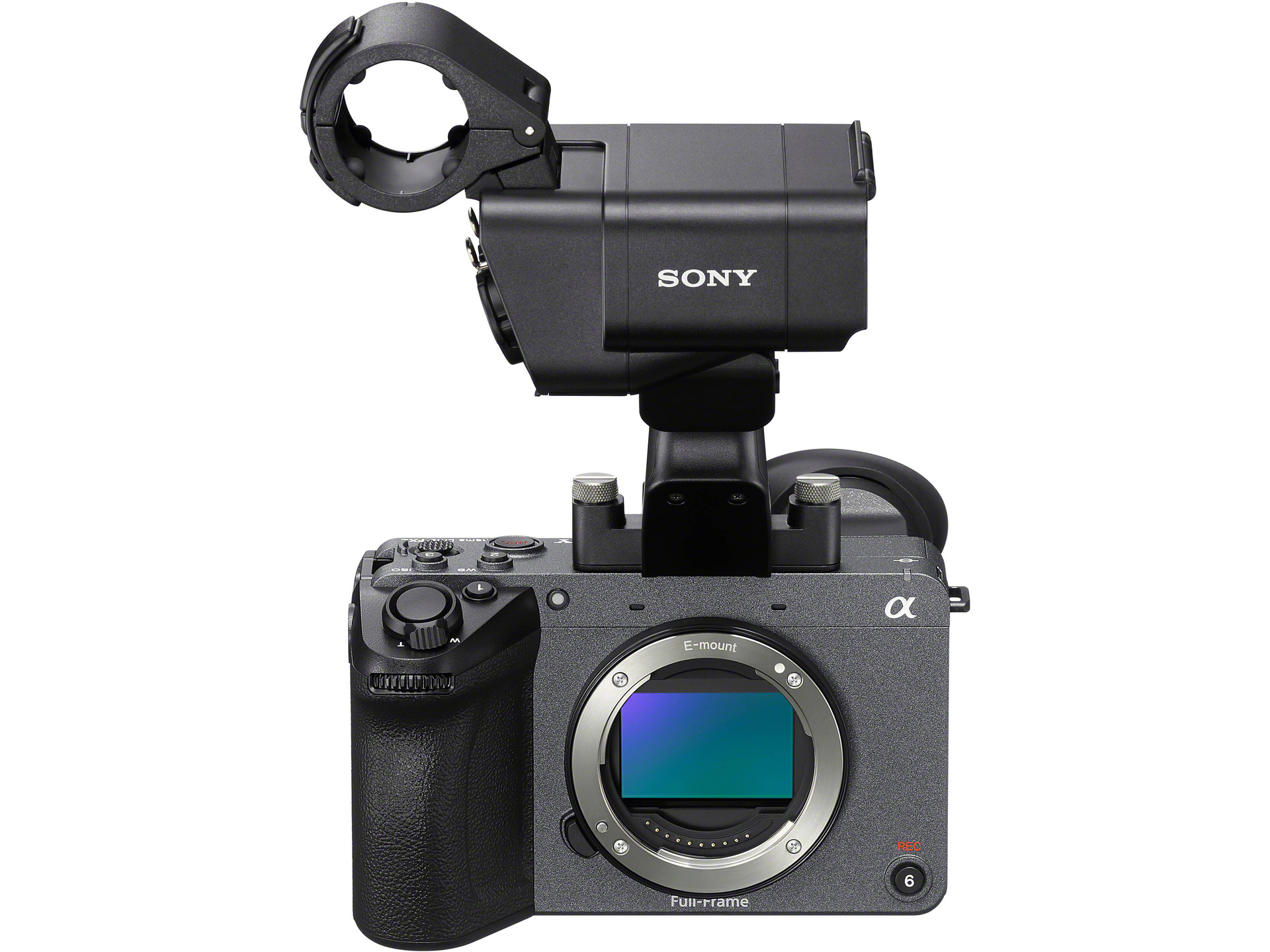
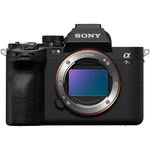
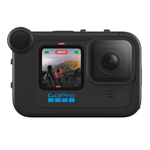
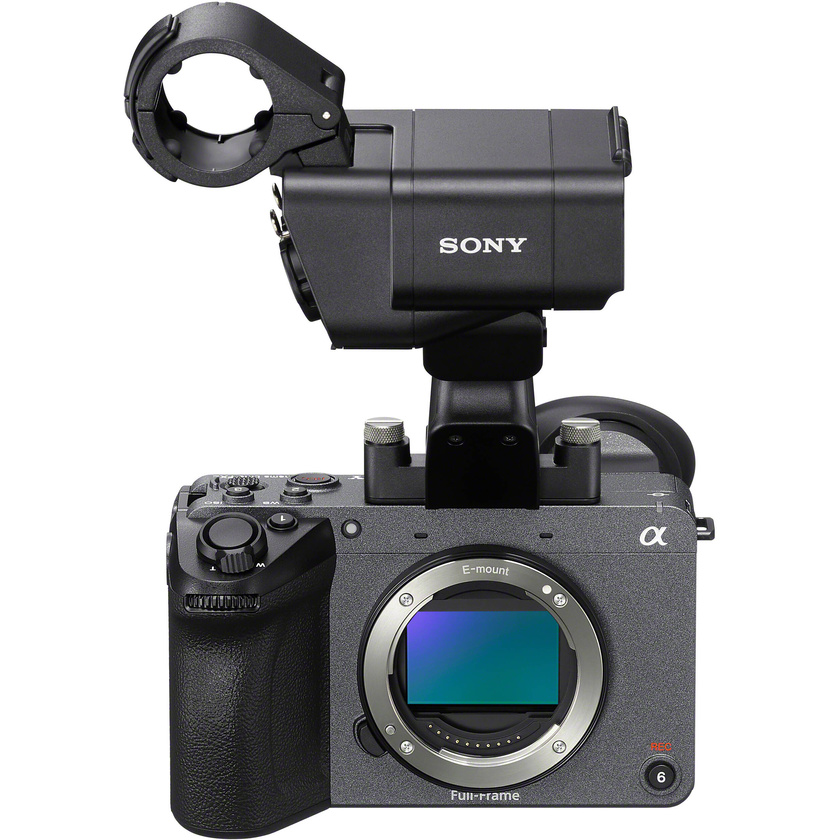
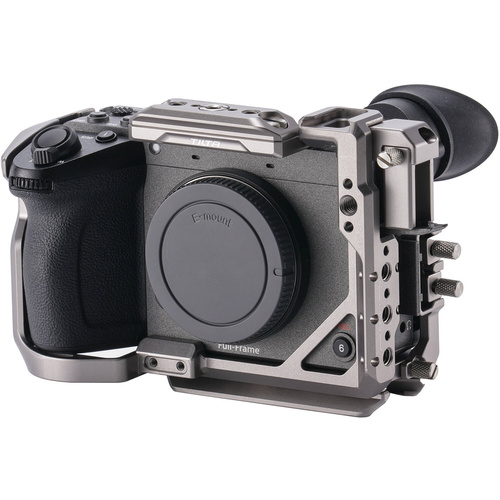
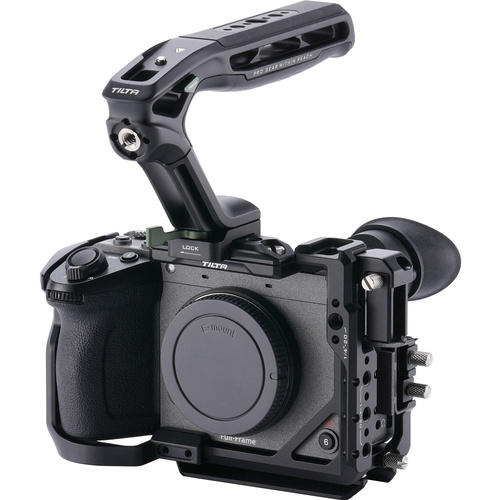
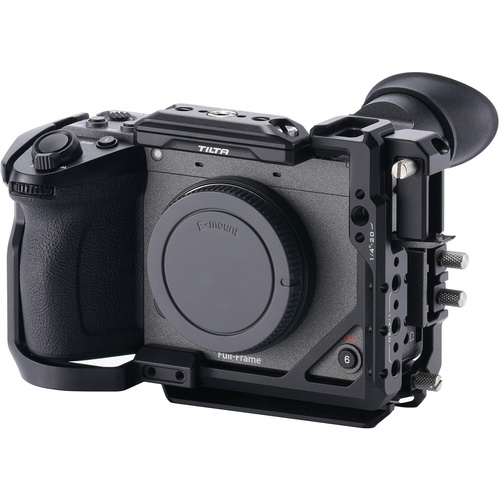
FX2 Digital Cinema Camera with XLR Handle Unit
As a gateway into a professional filmmaking career, the Sony FX2 Digital Cinema Camera is a full-frame camera in the Cinema Line that inherits the visual philosophy of Sony's top-level VENICE series. With high mobility, operability, expandability and reliability, it’s ideal for solo shooting, and features enhanced still image functions designed to support filmmaking.
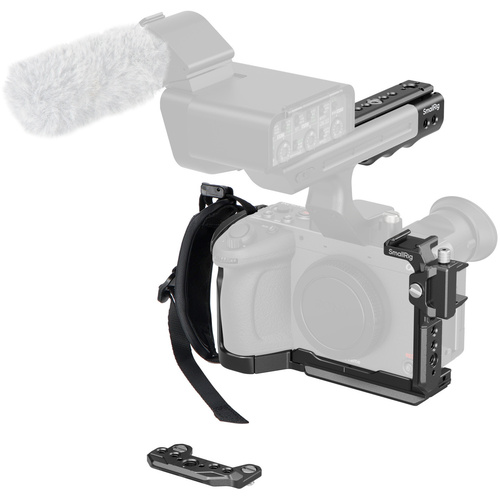
The Sony XLR-H1 XLR Handle Unit for FX3, FX30 and FX2 provides an audio interface for high-quality sound recording as well as stable camerawork.
For that professional cinematic look
The FX2 is a Cinema Line camera designed as a gateway into professional filmmaking. It combines the high image quality of a full-frame sensor with cinematic, expressive, capabilities modelled on Sony’s top-level VENICE cinema cameras, to bring your creative visions to life.
Cinematic expression with a full-frame sensor
The full-frame FX2 delivers stunning cinematic imagery, blending high resolution with beautiful bokeh. Equipped with a back-illuminated Exmor R™ CMOS sensor supported by our BIONZ XR™ image processing engine and advanced AI processing unit, the camera offers high sensitivity, wide latitude, and 33 MP1 resolution, giving ambitious cinematic visionaries everything they need.
Outstanding image quality for maximum editing flexibility
The FX2's full-frame sensor produces footage with smooth, natural gradations thanks to 15+ stops of latitude when recording with S-Log32, ensuring even high-contrast scenes are captured in full detail. Base ISO for S-Log3 capture can be set to 800 or 4000, and the camera supports S-Gamut3/S-Gamut3.Cine colour gamuts for broad compatibility. That all adds up to maximum editing efficiency when shooting with multiple cameras.
Log recording modes for production flexibility
For creative flexibility, there are three modes available for Log recording — Flexible ISO, Cine EI, and Cine EI Quick — with Cine EI widely used in professional filmmaking for footage shot with post production34 in mind. Based on the shooting environment, choose a base ISO of either 800 or 4000 to maintain maximum latitude throughout the shoot, allowing specific tonal ranges to be enhanced in post production to achieve your desired cinematic look.